

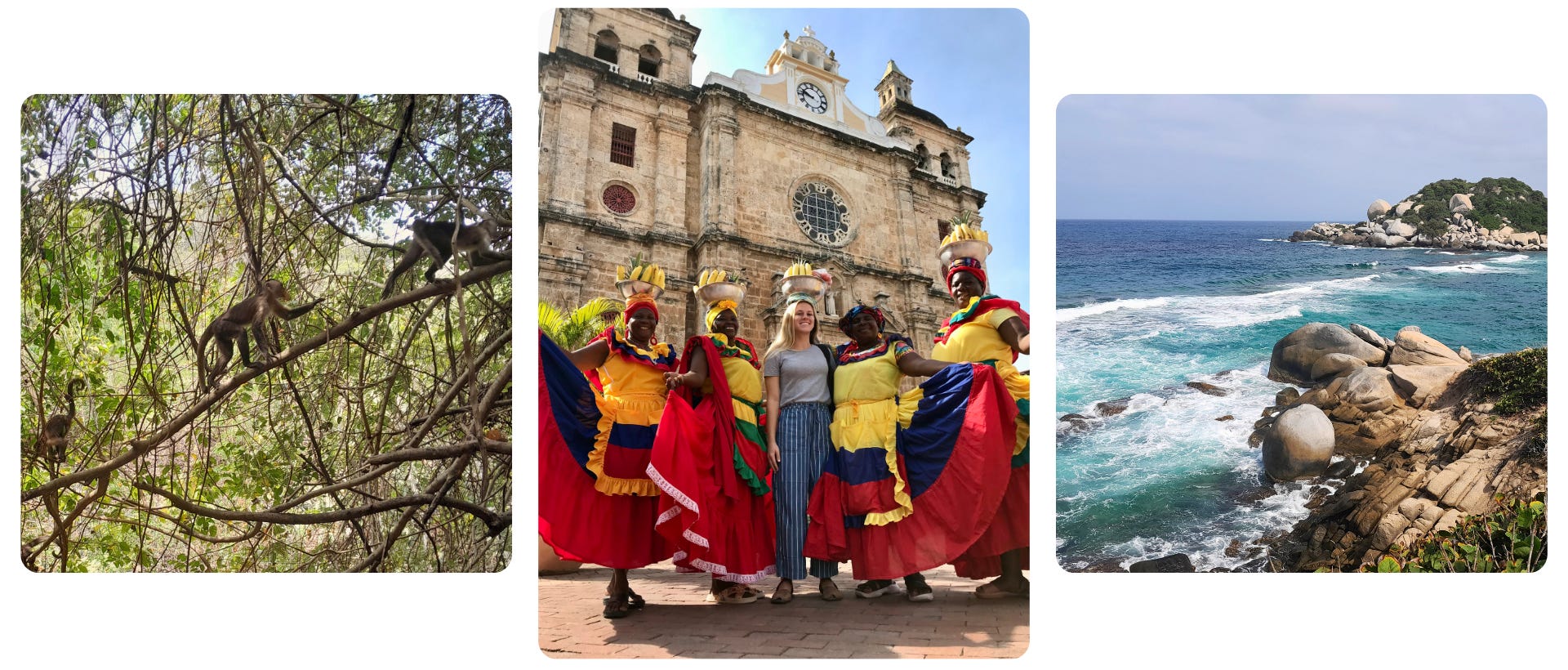
I looked up into the canopy of jungle trees above me, and there they were: six lanky little monkeys scattering across the vines. My jaw dropped in awe as I watched them weave back and forth through the jungle branches.
There I was, in the middle of a Colombian forest, watching little monkeys play in the trees above me. This was just one of many magical yet unexpected experiences I enjoyed during the two years I spent in Colombia.
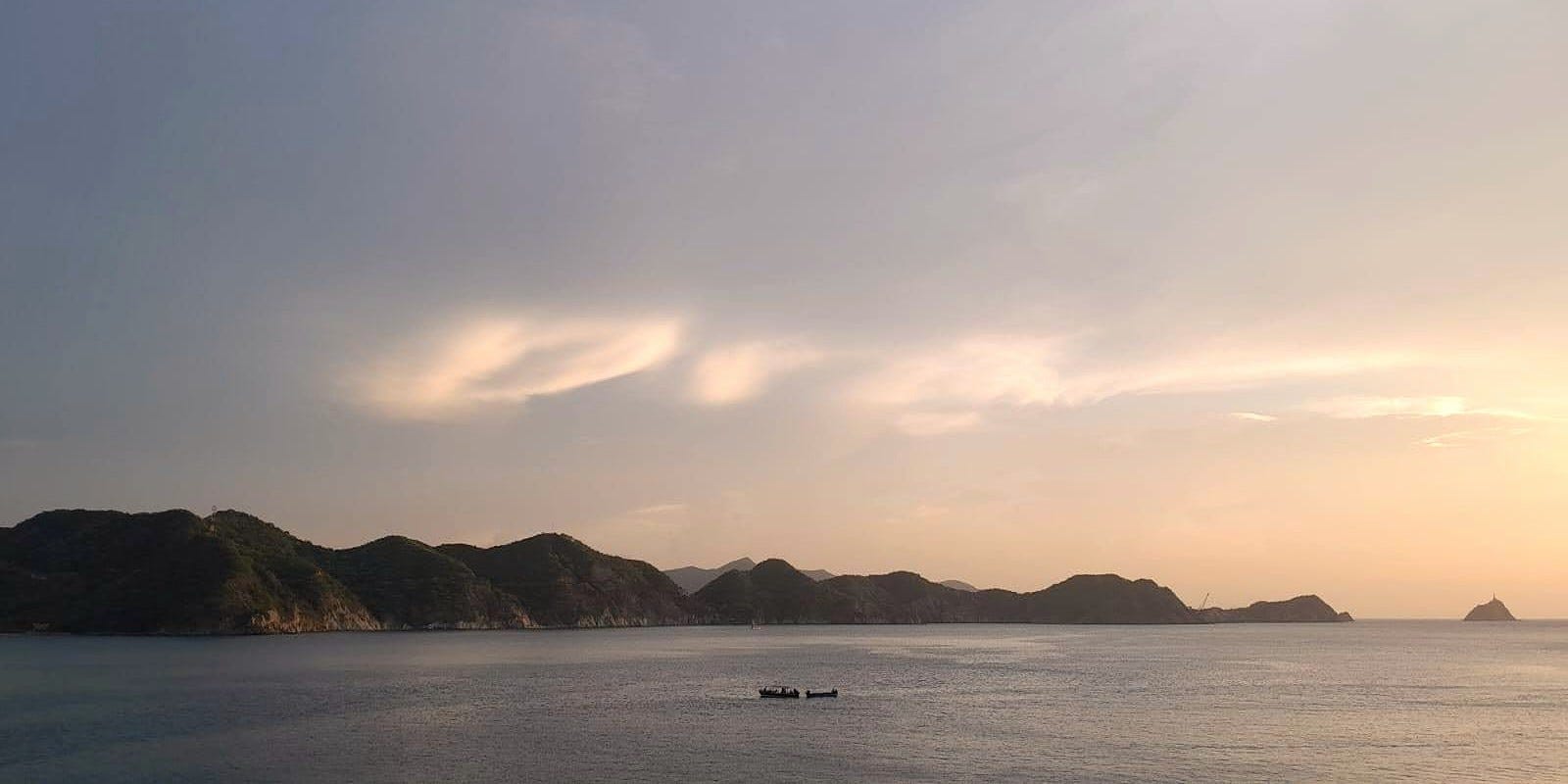
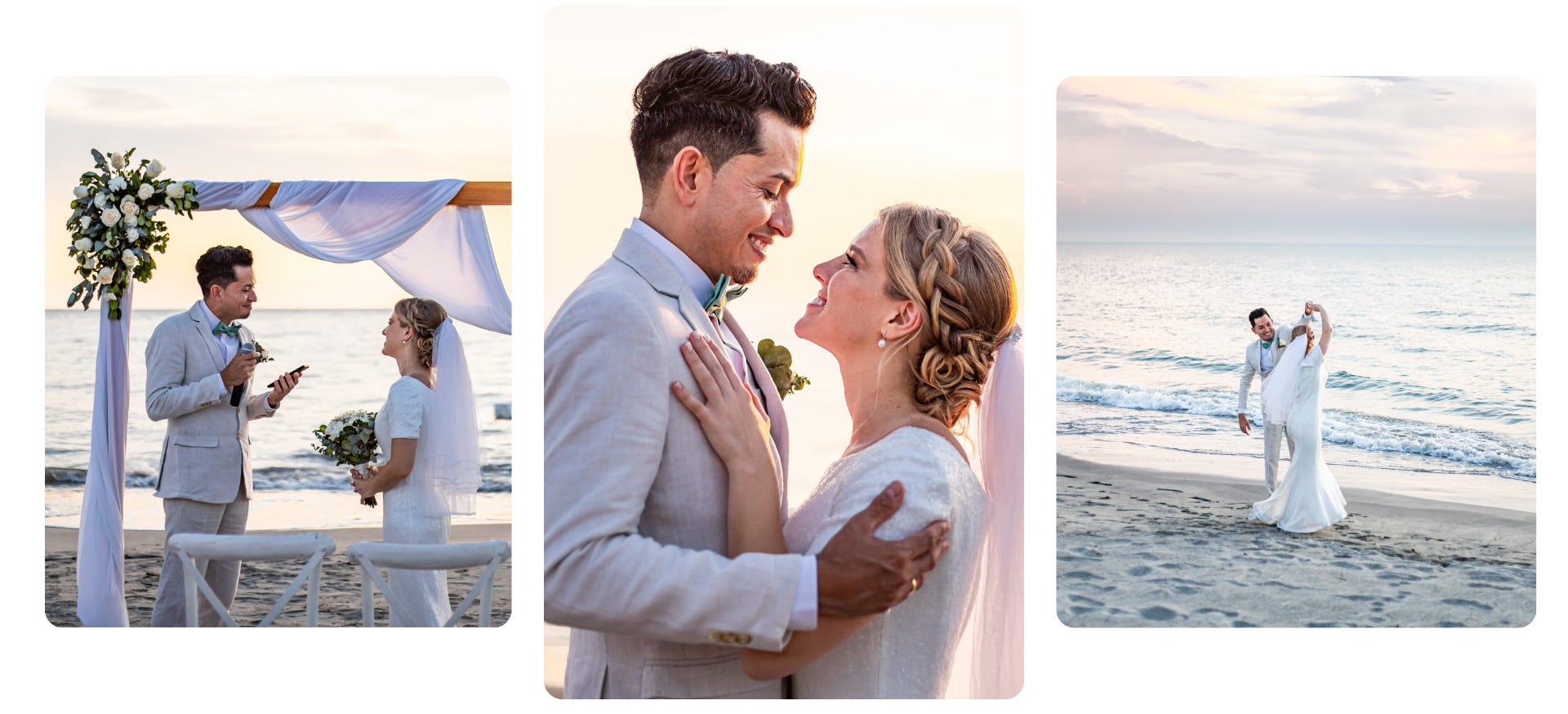
Quite honestly, I never imagined I would move to Colombia—let alone teach English in a bilingual school, make incredible friends, fall in love, and get married on a beach in Santa Marta.
In between empanadas and bolis, laughter and tears, beaches and rivers and mountains, work and play, Colombia taught me many beautiful lessons about life.
But first, let’s rewind a bit… How in the world did I end up in Colombia in the first place?
Why I Moved to Santa Marta, Colombia
My aunt practically begged me NOT to move to Colombia. (And I can’t blame her—all we hear from the news and social media about Colombia is drug cartels, kidnappings, and guerilla warfare.)
And yes, parts of Colombia are dangerous. And parts of the United States are dangerous. And parts of England, and Japan, and Timbuktu are dangerous. No country is free of crime, corruption, or perils.
But after living in Spain and meeting so many wonderful people from Colombia, it was pretty high up on my bucket list. So when my time in Peru started to come to a close, I began looking for a job teaching English in Colombia.
Basically, it went like this…
Google search: “best beaches in Colombia.” On my computer screen appear white sand beaches with turquoise water, palm trees, and green coastal mountains. My inner dolphin decides I want to live there. I search for jobs teaching English in the three coastal cities closest to that beautiful beach: Cartagena, Barranquilla, and Santa Marta. A few weeks later, I get an interview to teach second grade in the beautiful coastal city of Santa Marta, Colombia.
The adventure was about to begin.
What To Know Before You Move To Colombia
If you’re thinking about travelling or moving to Colombia, there are some things you should know:
Stay alert, be careful. In Colombia they say, “no des papaya,” which basically means be careful and don’t be an easy target (aka, don’t be an idiot). If you wave your iPhone 27 around, it will get stolen. If your passport is hanging out of your back pocket, it will disappear. If you wander around dark streets drunk at 3am, bad things will happen. If you’re in Colombia, your street smarts need to be on high alert—at all times.
Use a dumb phone. When I moved to Latin America, I bought an unattractive, $50 phone that I would use to text and call. Phones are the main thing burglars steal, so be very careful with yours.
Don’t drink the water. The water in Colombia is NOT safe to drink. Save yourself from stomach problems (or worse) and buy bottled water (but not the Agua Brisa brand—that stuff tastes like straight-up plastic).
Negotiate prices first. (Or, better yet, use Uber.) Whether you’re taking a taxi or buying an empanada, always ask how much it costs first. Unfortunately, I experienced endless scamming attempts during my time in Colombia (even in an official government notary office). Most common tactics: telling you they don’t have change for a larger bill, jacking up the prices since they can tell you’re a tourist, taking you the long way (when in a taxi) so you have to pay more. It’s incredibly frustrating, so don’t be afraid to negotiate prices—and for transportation, use Uber.
Colombian pesos are in the thousands and millions. When my pan de bono in the airport came out to 12,000 pesos, I was shocked. Until I realized that’s totally normal—everything you buy will be thousands of pesos. 12,000 COP = $3.20.
Only use ATMs in malls. Many robberies in Colombia occur right outside of ATMs, especially the ones in darker, more secluded areas. I recommend only withdrawing money in ATMs in large shopping centers.
Now, I’m not sharing this to dissuade you from visiting Colombia. Nothing ruins a trip faster than a dumb mistake, so it’s best to come prepared. If you follow these tips, you’ll be much safer and you’ll have a great time.
What I Learned in Colombia
Now that we’ve got those nitty-gritty, street-smart tips out of the way, this is what I really learned in Colombia—the life lessons with a Colombian passport stamp that I’ll carry in my heart forever:
#1 Don’t just learn about the culture, embrace it.
I have always loved learning about culture, especially from people who are willing to share with me what makes their country unique. One of my favorite parts of living in Colombia was meeting friends who energetically shared their culture with me:
They offered me delicious and unique Colombian foods—like butifarra, salchipapa, mote de queso, and chicha de kola (just to name a few).
They taught me Colombian sayings, words, and phrases unique to the coastal region we were in (more on that later).
They showed me the beauty of their favorite places in Colombia—hidden rivers, waterfalls tucked away in the mountains, and warm beaches.
They opened their homes and hearts to me; soon, they felt like family.
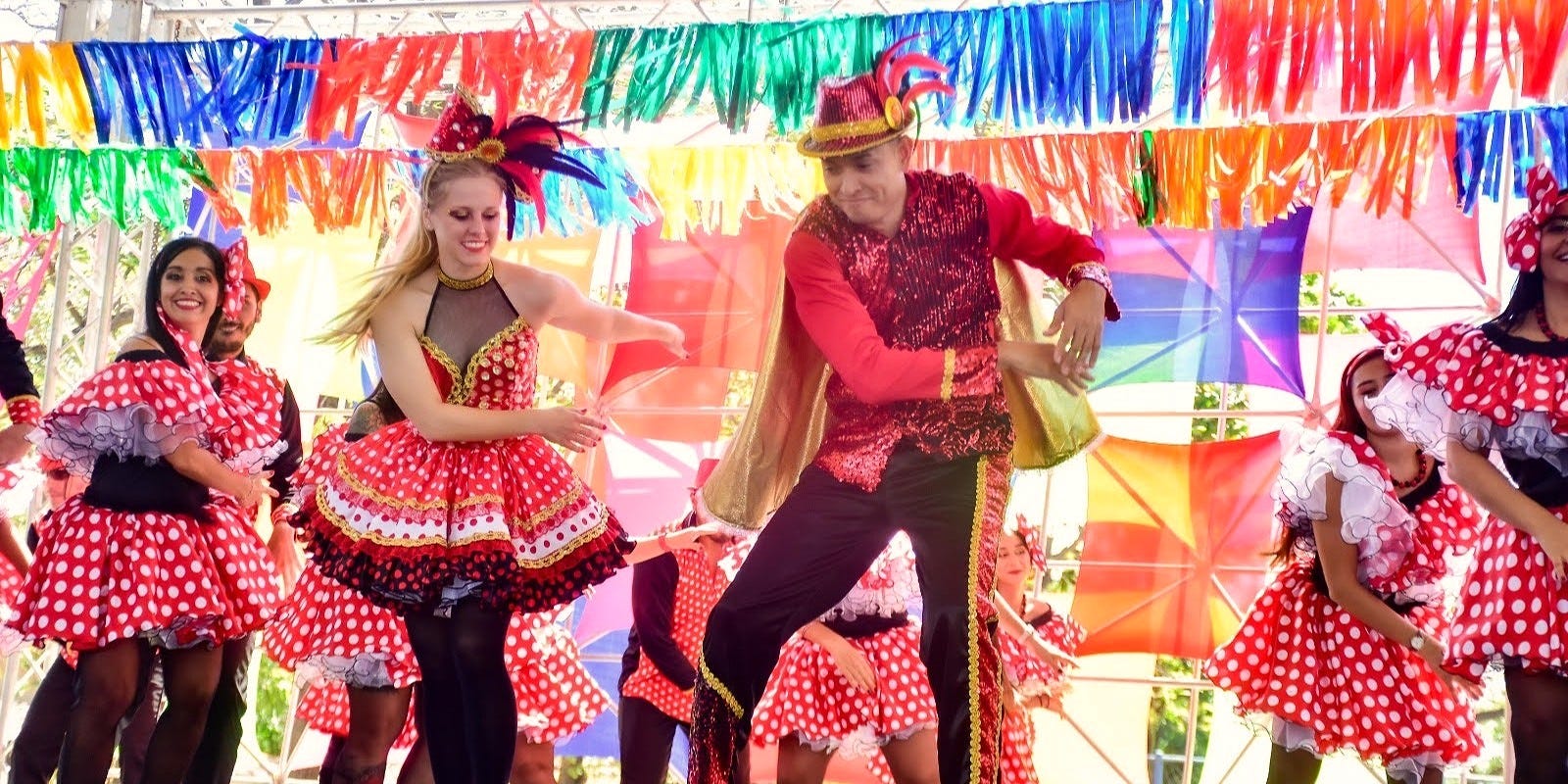
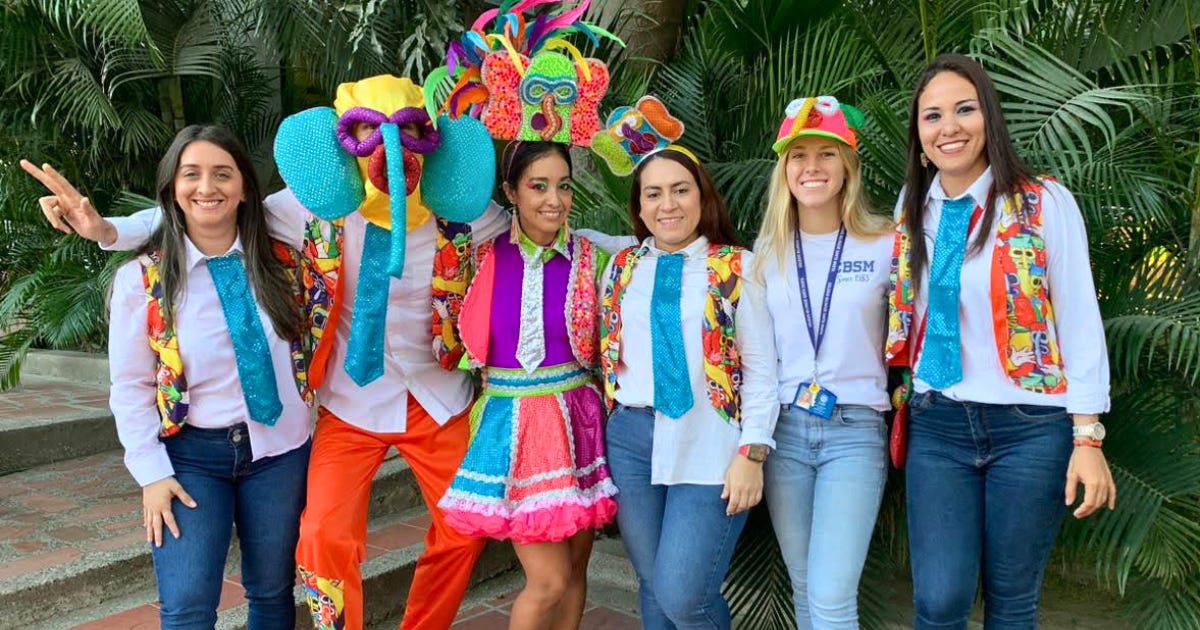
But when you’re living in a different country, learning about the culture isn’t enough—you have to embrace it. That’s why, when my co-workers asked me if I was going to participate in their Carnaval dance group, I said yes.
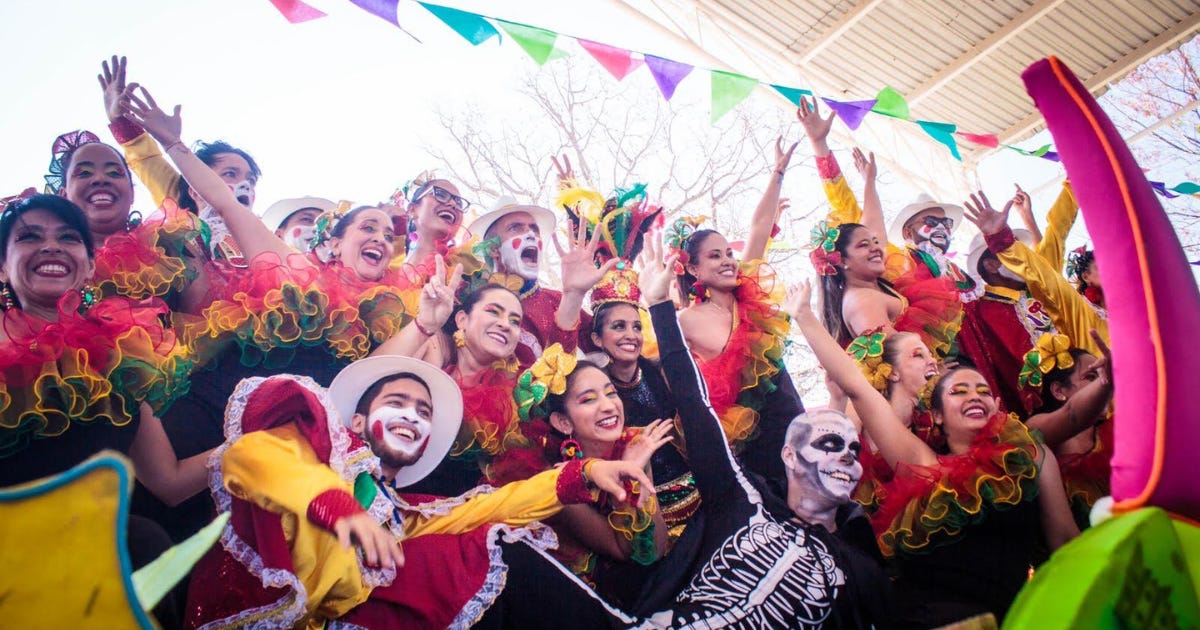
Carnaval is a huge cultural event in schools, communities, and cities on Colombia’s Caribbean coast. Our students (and us teachers!) spent a whole month practicing to dance onstage in front of the whole school. Everyone goes all out with the costumes, make-up, and decorations.
But it’s much more than just dancing, music, and celebration (and espuma). Every dance tells a story—of slaves with chains around their ankles, of African ancestors resisting and rebelling, of defeating death and celebrating life.
Sure, you could read about it in a textbook. But when you embrace it and step onstage to dance, perform, and keep those stories, rhythms, and traditions alive, you’ll get it—and you’ll never forget it.
#2 Santa Marta has the best sunsets.
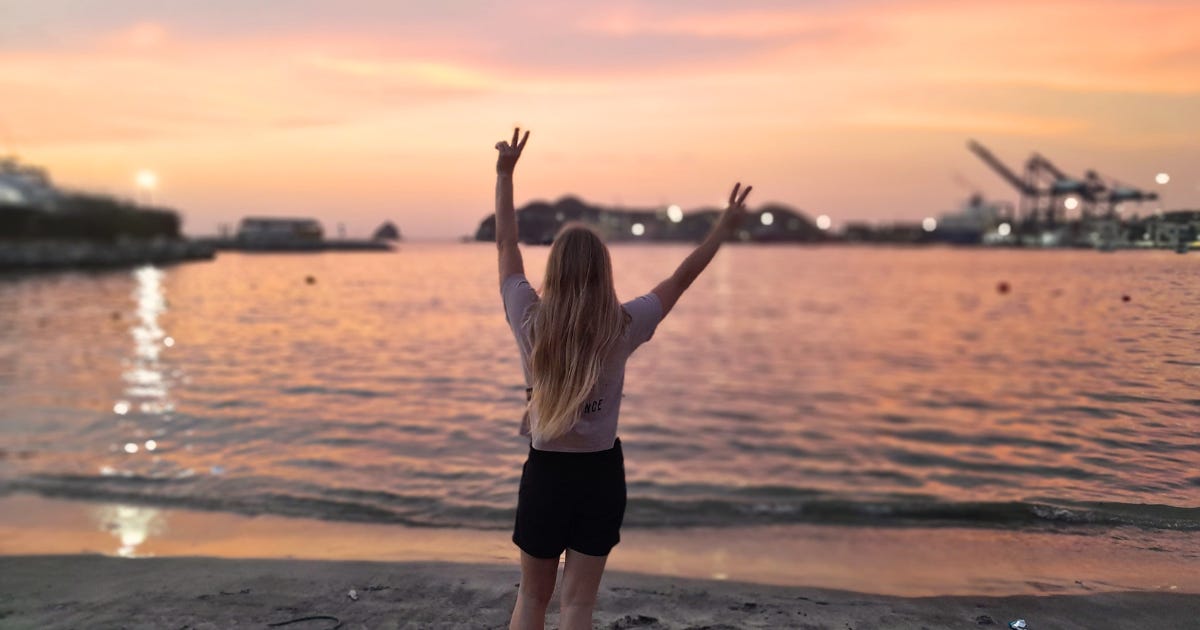
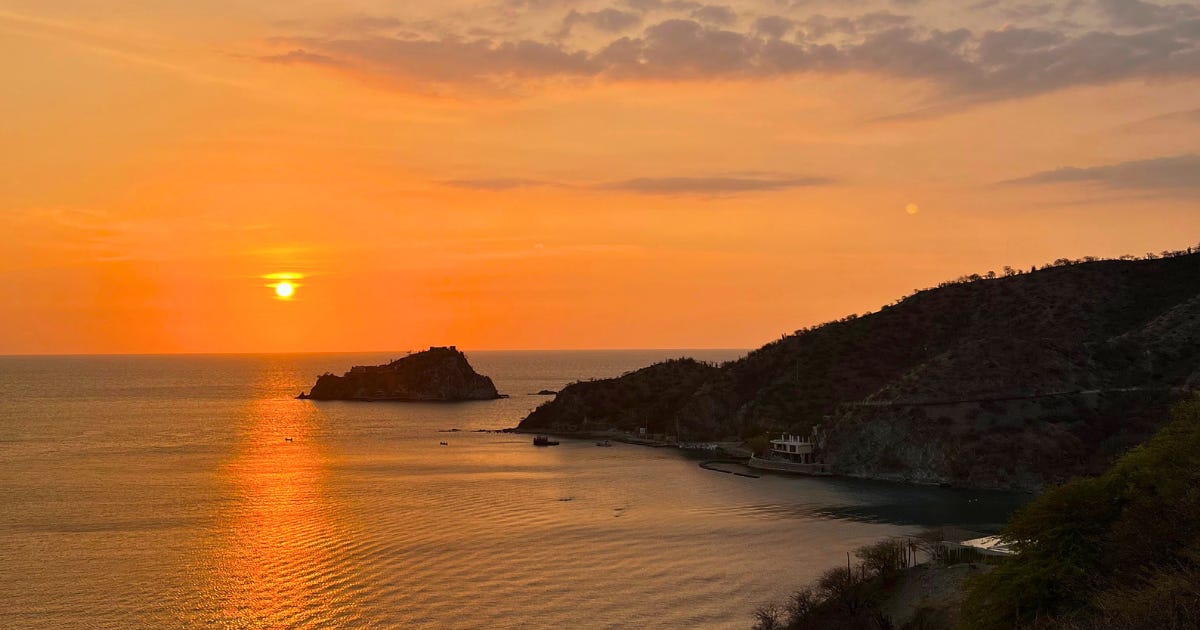
Almost every single night, God paints the sky over Santa Marta with golden yellows, deep pinks, vibrant reds, and dark purples and blues. The hues drift like watercolor behind the coastal mountains and across the ocean.
I can’t tell you how many sunset pictures I have saved from those two years in Santa Marta. And yes, sometimes I miss those rich sunsets I would watch from my little apartment balcony. The days end quickly in Santa Marta, but they’re sent off with a rousing finale.
#3 Gratitude.
Living in a developing nation will either give you a lot to complain about, or a lot to be grateful for—it’s up to you.
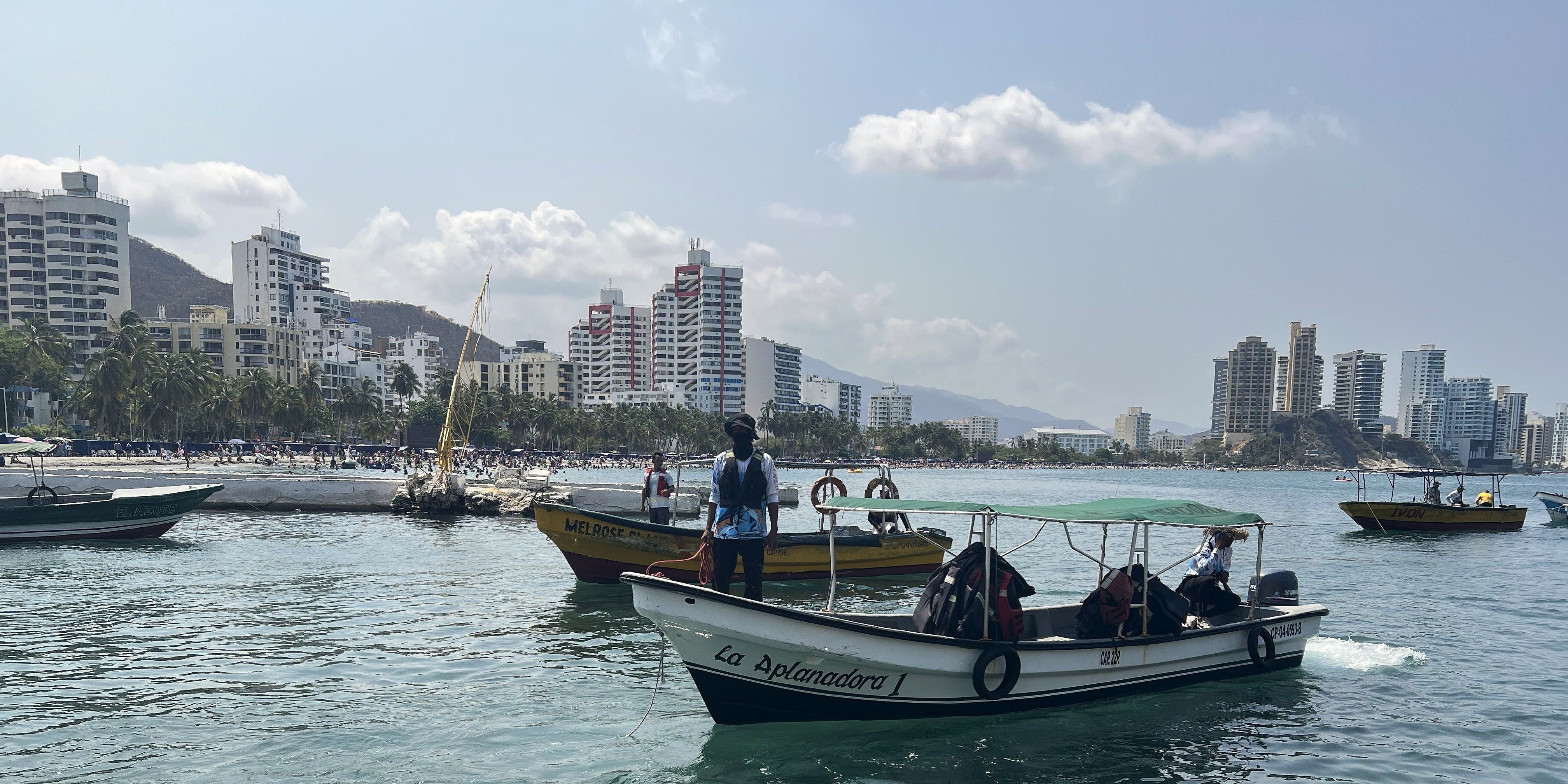
Now, I’ll be the first to admit that when there’s suddenly no running water mid-shampoo, gratitude is not often the first thought. But when the running water starts working again (a few days later), your heart overflows with gratitude.
Power outages, flooded streets, insane traffic, water shortages, and crime are all common in Santa Marta, unfortunately. That’s a mental shift that really makes you reflect on what we take for granted each day.
You realize that the little things aren’t so little after all. That there are a lot of people suffering much more than you… and they have a better attitude about it as well. When you choose gratitude, you choose happiness, despite whatever is happening—or not happening—in your life.
#4 Appreciate the beauty in your backyard.
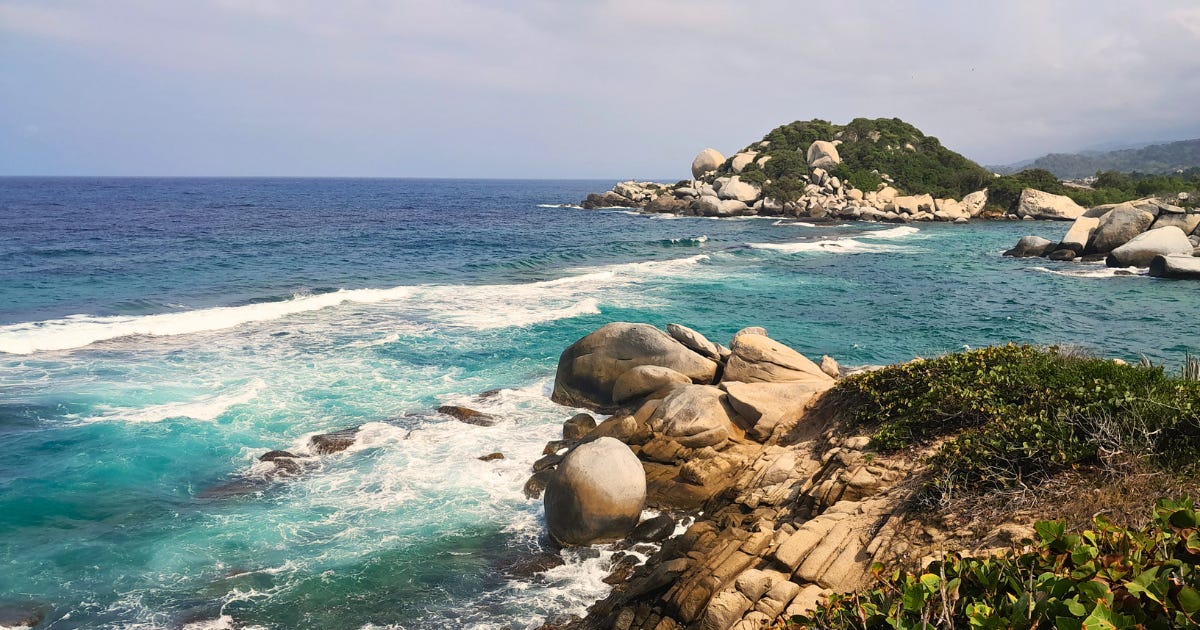
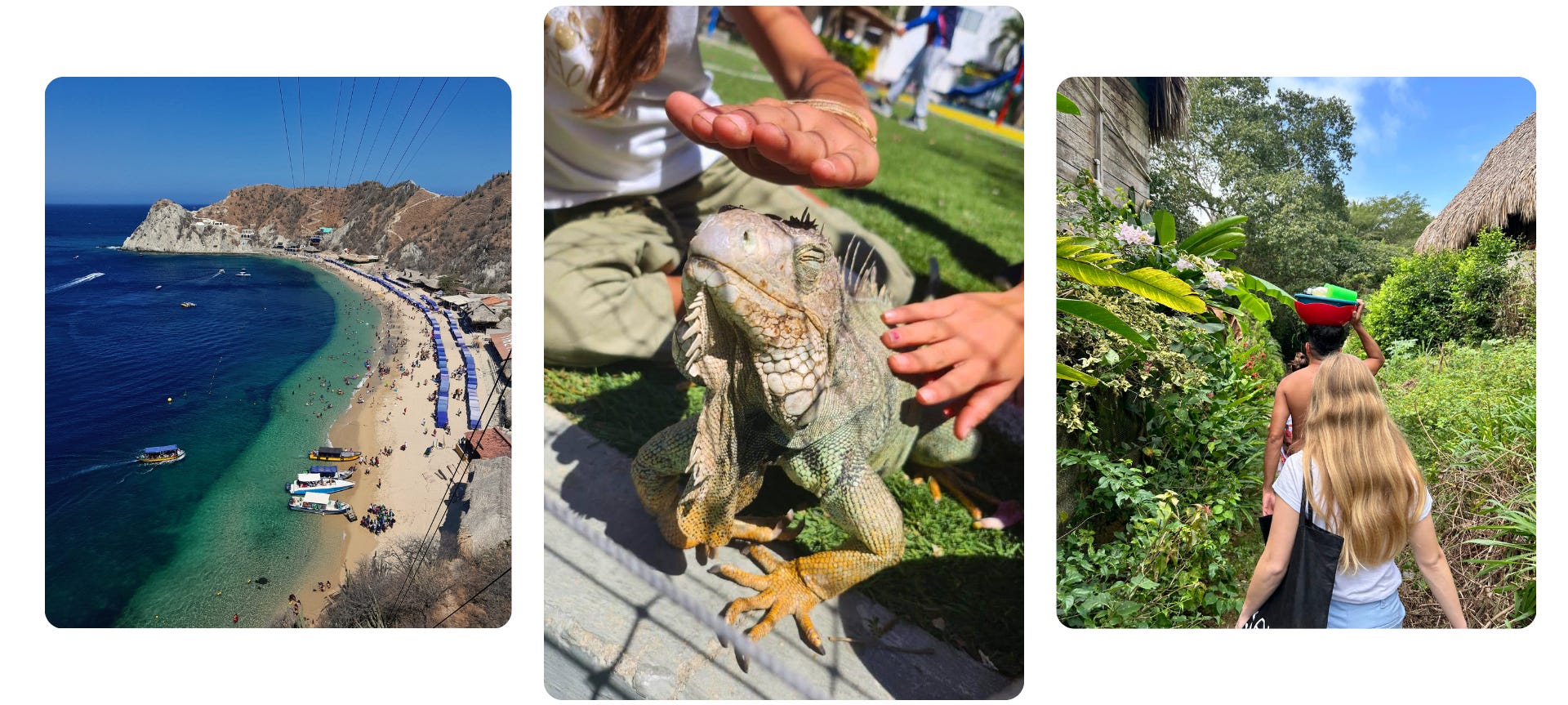
Remember those beautiful beach pictures I mentioned when I was deciding where to live in Santa Marta? That’s Taryona Park, one of Colombia’s most famous protected natural areas. It’s a tropical jungle combined with white-sand beaches with warm, turquoise water.
And, a lot of people from Santa Marta have never been there—despite the fact that it’s just an hour from the city. My husband, who had lived in the city for 8 years (and grew up in a neighboring city) had never been until we went together.
So often, we dream about faraway destinations—but let backyard beauty gather dust. Now, don’t get me wrong, book the flights to Japan, plan your dream trip… But enjoy the beauty around you, too.
During my two years in Santa Marta, I didn’t visit Medellin, or Bogota, or the Cocora Valley like I dreamed of. I got too caught up with the beauty right in Santa Marta. And I regret nothing. There is so much to see, explore, and love about this beautiful coastal city, and I’m glad I could enjoy so much of it.
#5 Love comes when you least expect it.
Ick, I know, so cliche, but it’s true. After being catcalled multiple times on my short route to and from school (while riding by bike in khakis and a collared shirt, mind you) I was disgusted with Colombian men.
I remember thinking to myself, after getting yelled out at again, I will never marry a Colombian. I’m sure God laughed. Because, I did marry a Colombian.
And he’s absolutely nothing like the machista men I was disgusted with. He’s unbelievably kind to everyone, extremely talented, always positive and happy, generous, and loving.
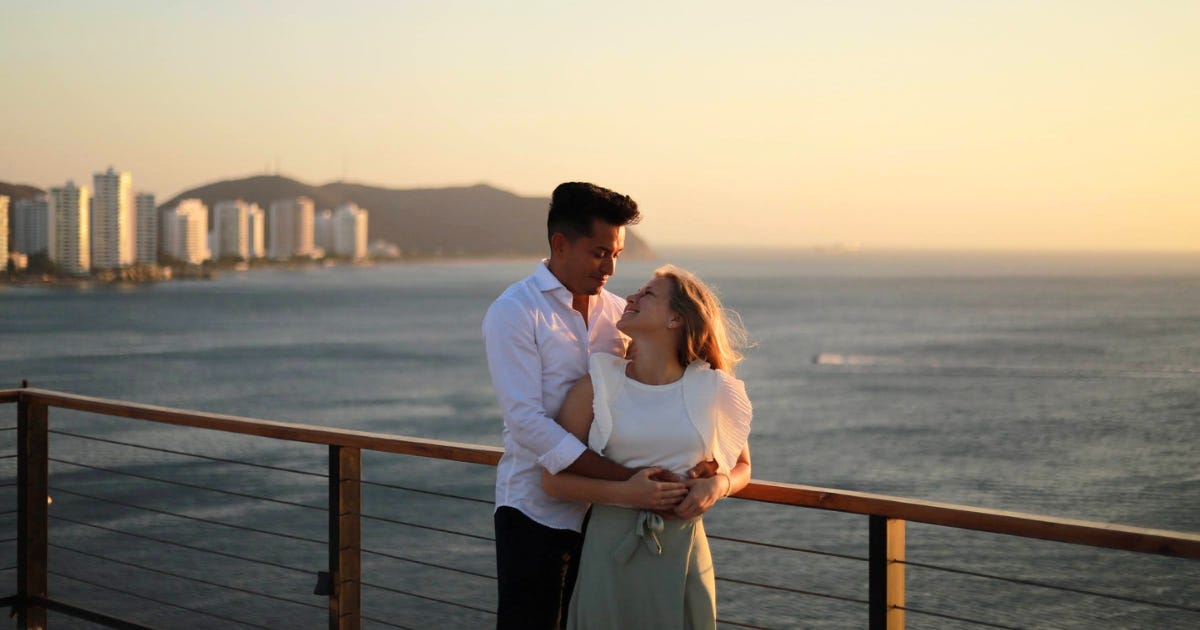
We became friends during my first few weeks in Colombia—we both worked at the school together; he taught music and was all the kids’ favorite teacher. We were dance partners for the teachers Carnaval dance group and later started dating. The rest is history.
So, if you’re waiting for your media naranja (other half, as they say in Spanish), don’t worry too much. Love comes when you least expect it.
#6 Comparison is the thief of joy.
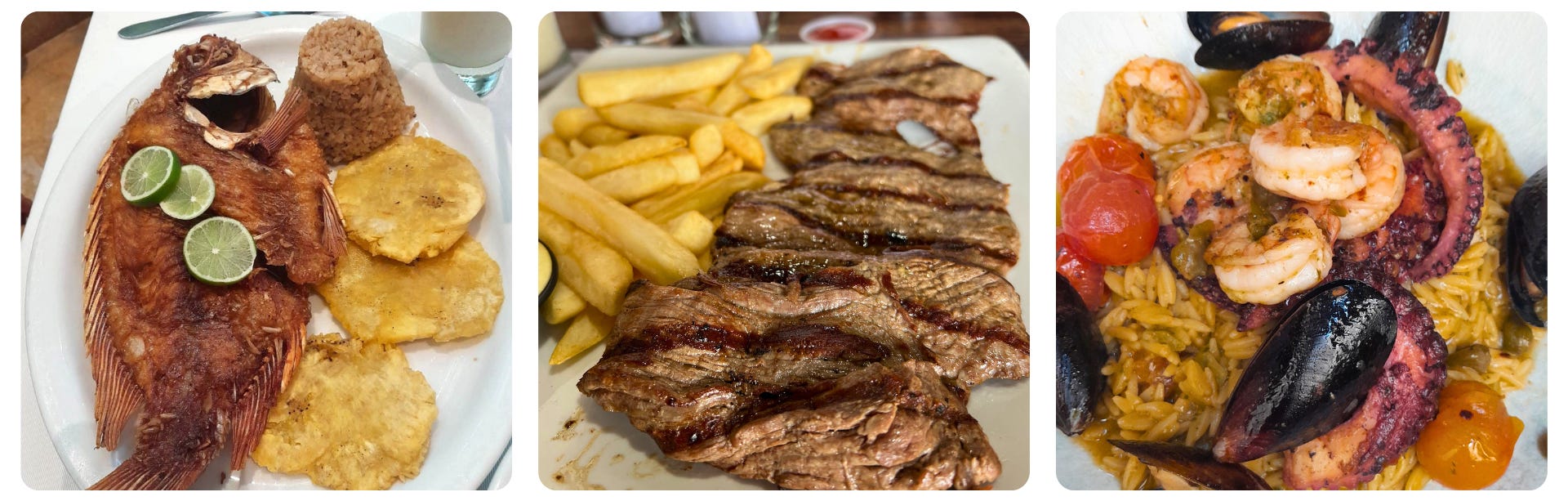
Before moving to Colombia, I lived in Peru—in a gastronomical paradise. I was surrounded by all of my favorite foods, the freshest products, and the most incredible flavors.
When I got to Colombia and tried the food, I was… disappointed. But it wasn’t because Colombian food is bad—in fact, there are a ton of Colombian foods that I absolutely love.
I was stuck in the miserable comparison trap. You can’t enjoy the present if you’re constantly comparing it to the past. Thankfully, I was able to get out of that slump and start enjoying all the unique flavors Colombia has to offer. I found amazing dishes that still make my mouth water when I think about them today.
#7 Little hearts are the biggest hearts.
Teaching second-grade English to seven- and eight-year-olds in Colombia was so much fun. We read stories, sang songs, played soccer, made ice cream, did science experiments, and even did a little math. I taught them about California, and they taught me about Colombia.
I’ll never forget those adorable kiddos and their big hearts. They showed up with creativity, curiosity, and energy. And lots of noise—I had never heard a classroom as loud as my second-grade one the first few months of class.
But despite the challenges, teaching English was an incredible experience. I worked with absolutely amazing teachers who I learned so much from, taught wonderful kiddos, and had an immersive experience in Colombian education.
#8 The planet is ours to protect, or destroy.
I rode my bike to school along a very busy highway almost every day. Along the side of the road, there was a ditch that was filled with trash. All the time, I’d see people throw things out of their car windows, as if our earth was a giant trash can.
Living in such a beautiful beachside city with incredible green landscapes all over, I just didn’t get how people could be so careless. If we want to continue enjoying the beautiful earth we live on, we are the ones who have to protect it.
#9 Colombian sayings are endless.
I learned Spanish in Spain, and when I got to Colombia, I realized I was going to have to re-learn Spanish. The words I knew meant something else—and Colombians had sayings for everything.
But I soon learned a ton of Colombian slang. Here are some costeño essentials to study before your trip to the Colombian Caribbean coast:
costeño = Colombian person from the Caribbean coast cities (Santa Marta, Barranquilla, Cartagena)
Bacano = cool
Para bolas = pay attention
Eche no jodas = bruh, are you serious? (among other meanings)
Porque aja = you know what I mean (iykyk kinda thing, this one is very common)
Mamar gallo = mess around in a joking or teasing manner
Pelao / Pelaa = young boy or girl
Calilla = a mischievous or playful person
Billullu = money
Liso = adjective to describe someone who embodies the phrase: “give them an inch and they take a mile.”
Sapo = snitch
Cantaleta = adjective to describe throwing a fit
Pupi = preppy or posh, rich kid
Nombe = No way
And those are just a few.
#10 Saying goodbye sucks.
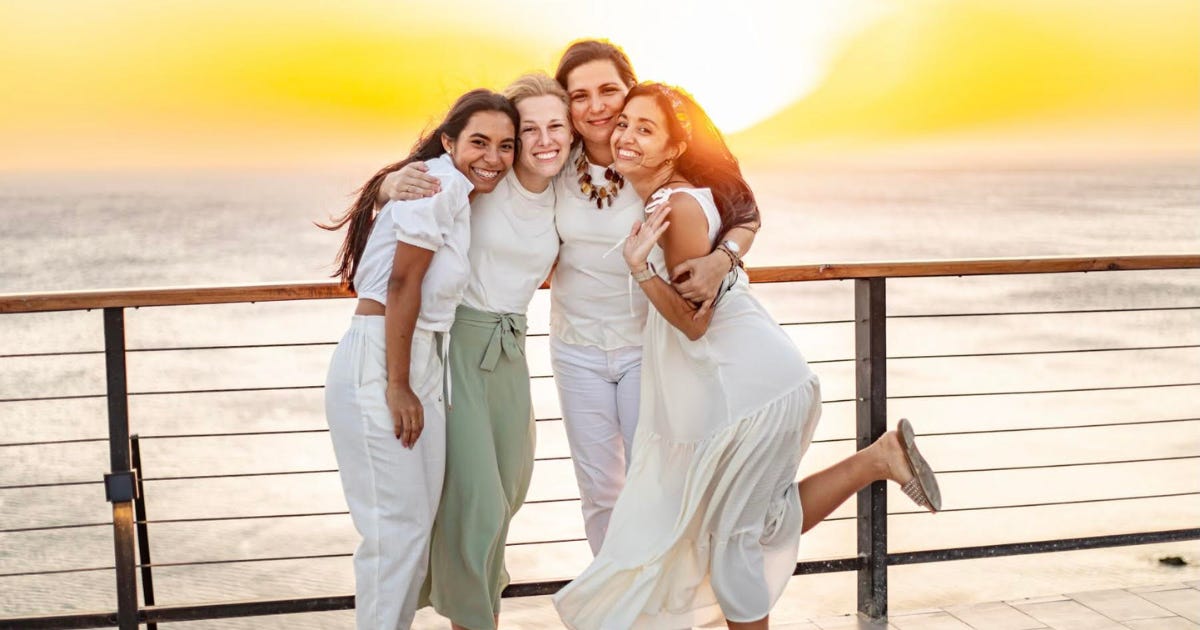
The worst part about living in Colombia was leaving. I’ve had my fair share of goodbyes, but it never gets easier. I met so many incredible people that became friends that felt like family. They invited me into their lives and their families and made me feel at home—in a country miles away from my own. I still miss them a lot.
You say goodbye to people, and you also say goodbye to different chapters of life, too.
I loved the life I created in Colombia—I loved my tiny white apartment, I loved swimming laps in the afternoon, I loved laughing with my second-graders, I loved going to the beach and the forever warm weather, I loved going to get ice cream with my boyfriend, then fiancée, then husband.
When you pick up and move you say goodbye to people and places you love. And you also say goodbye to a version of yourself that you also (hopefully) love. And you start over—a new adventure begins.
Hasta Pronto, Colombia
Colombia will always have a special place in my heart. The lessons I’ve learned, the people I’ve met, and the places I’ve traveled stay with me.
I will go back, hopefully soon. But that same Colombia, my Colombia, will not be there. It’s locked away in my heart, for only me to remember and hold forever.
“Wherever you go becomes a part of you somehow.”
- Anita Desai
Make sure you check out the Santa Marta, Colombia: Complete 3-Day Foodie Itinerary before your trip to Colombia. The guide has:
A day-by-day eating plan (breakfast, lunch, dinner, and dessert),
An organized and easy-to-follow Google Map with all my recommended restaurants,
And the 20 restaurants that I trust, recommend, and whole-heartedly endorse in Santa Marta, Colombia.
I’m not crying there is something in my eye….